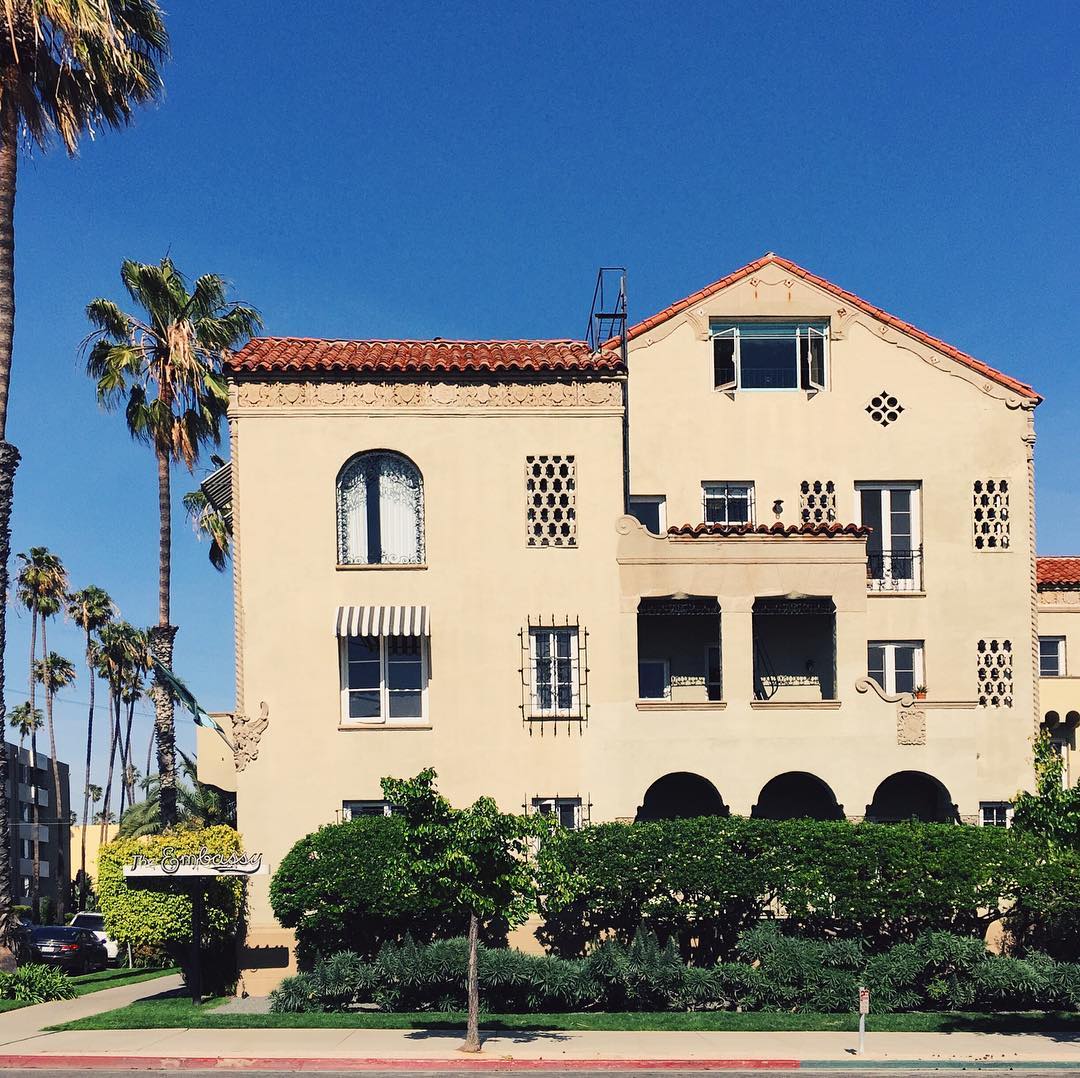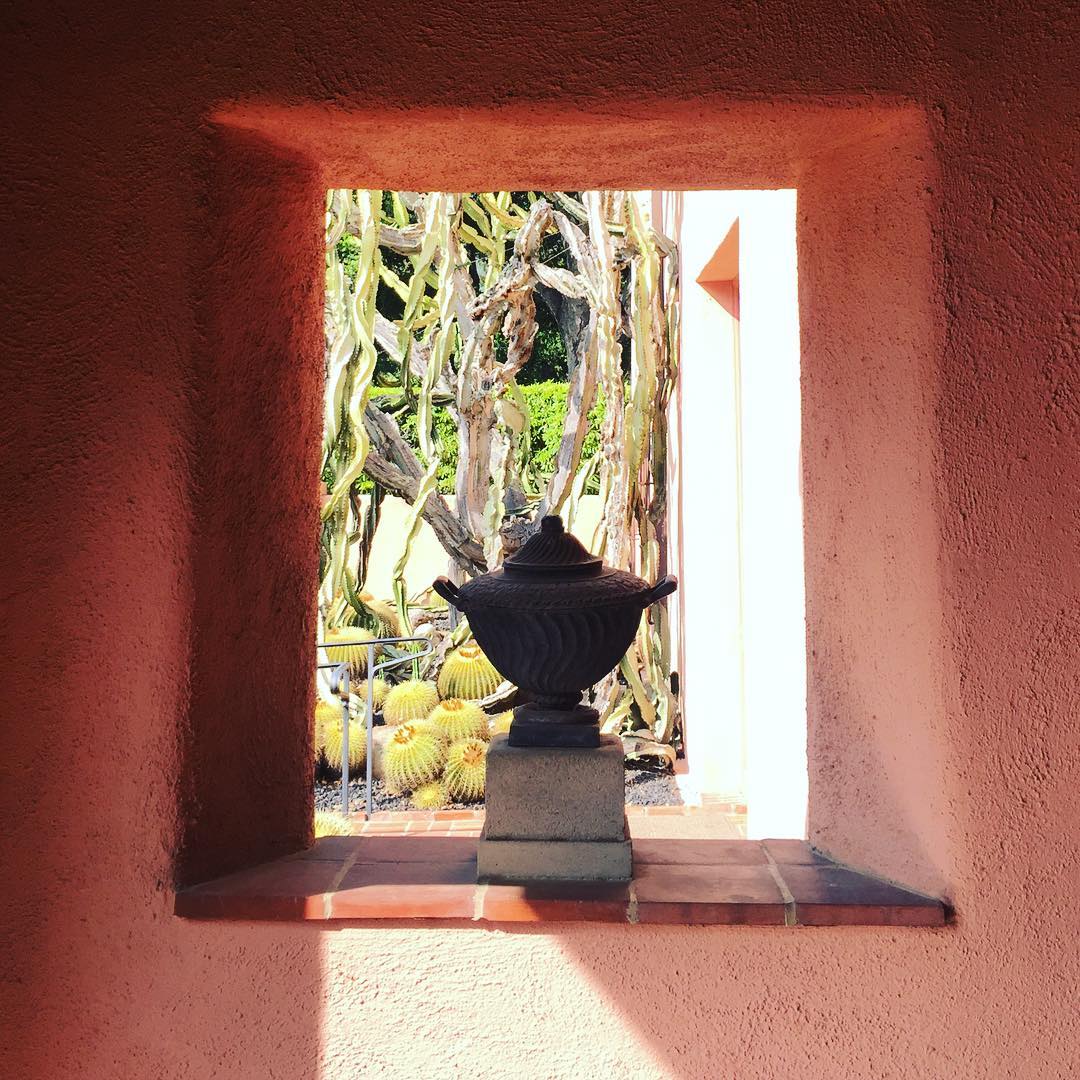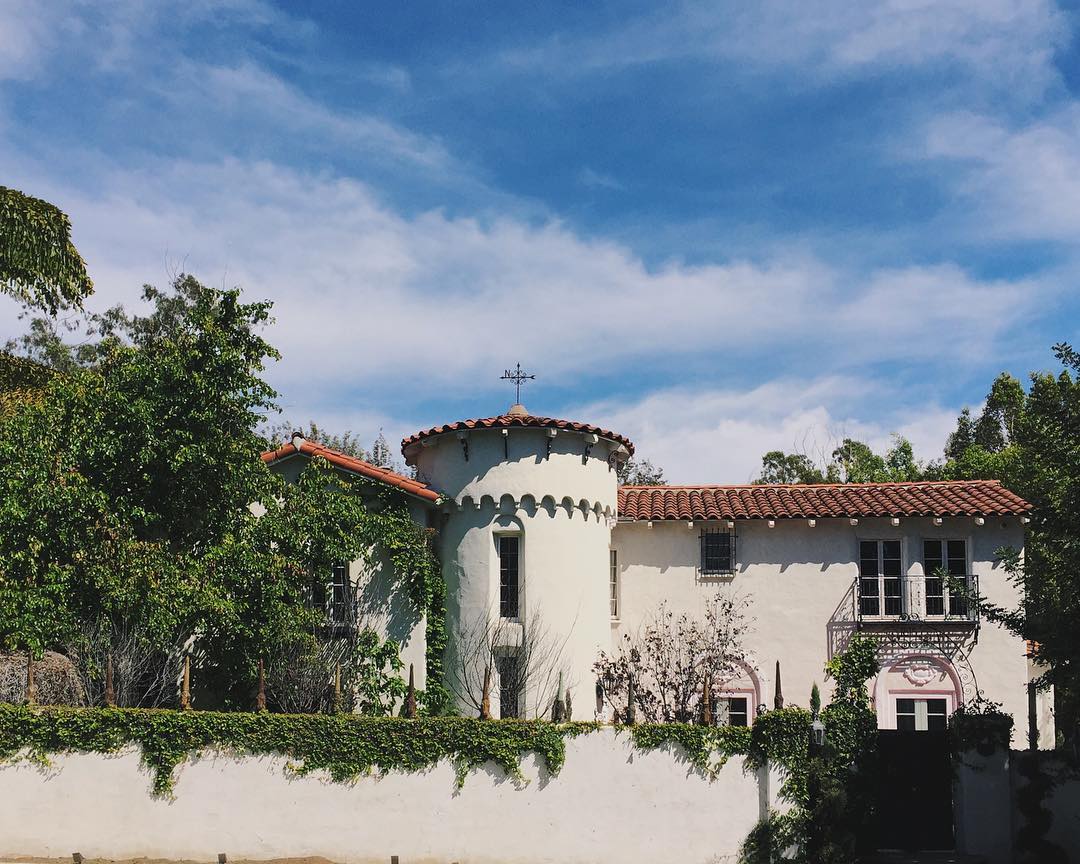
Before you cross the threshold, there is a pause — a breath held at the arch. It is an invitation, not a command. In the language of California's Spanish Colonial Revival, every doorway is a small ceremony.
The arch arrived in California with the Franciscan missions of the late eighteenth century, carried across the Pacific in the minds of priests who had grown up beneath the vaulted corridors of Spain. When they built their first churches and convents along El Camino Real, they built in memory: whitewashed walls, red clay tile, and the generous sweep of the semicircular arch — an ancient form that somehow felt perfectly at home under the California sun.
It would take another century before that humble mission vocabulary was transformed into something grander. In the 1920s, a generation of architects — men and women intoxicated by Mediterranean light and the romance of Old California — began raising houses that looked as if they had been dreaming in the hills for centuries.
The Masters of the Form
Among them, none was more gifted or more prolific than George Washington Smith, who arrived in Santa Barbara in 1916 and almost single-handedly shaped its Spanish colonial identity. Smith had no formal architectural training; he was a painter who taught himself to build, and it shows — his houses have the eye of an artist. Every arch in a Smith house is considered: its proportions, its placement in relation to shadow, its relationship to the garden beyond.
"The arch is not a device. It is an argument — for slowness, for arrival, for the particular sweetness of crossing from one world into another."
— D.J. Waldie, California RomanticaWallace Neff, working across the greater Los Angeles basin, brought a more theatrical sensibility. His arches were often bolder, his proportions more generous. Walking through a Neff doorway is a bodily experience: the curve rises above you and you feel, however briefly, the weight of stone and the gift of shelter.
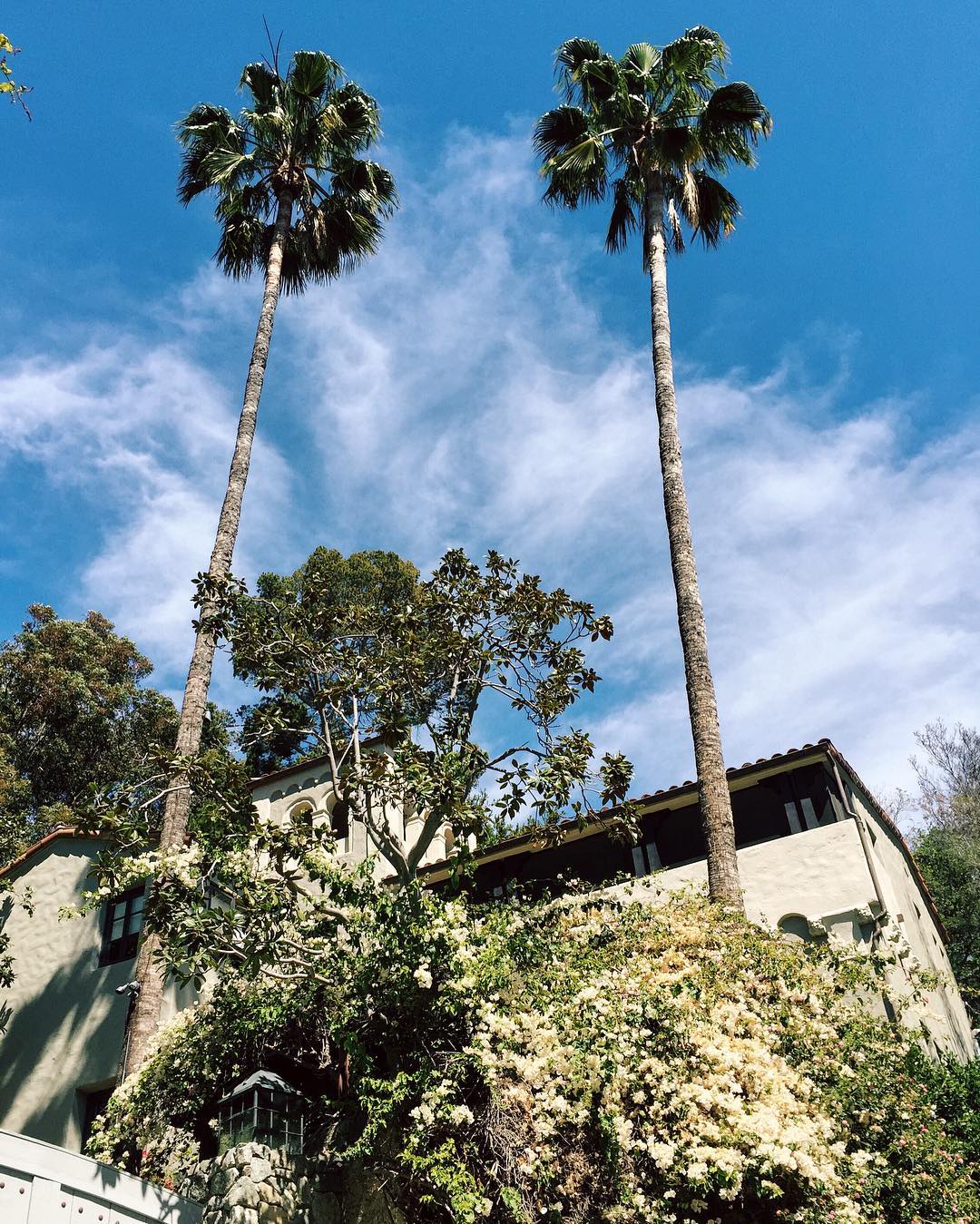
A hand-painted tile arch frames a teal doorway in Los Angeles — the colour and the arch together make something unforgettable.
Shadow as Architecture
What makes California's arched doorways singular — distinct from their Spanish or Italian antecedents — is the light. California light is both brilliant and directional. At the right hour, the arch becomes a sundial: it casts a perfect crescent of shadow on the tiled floor within, a moving shape that tracks the afternoon. The architects knew this. They positioned their arches to harvest shadow the way a painter composes a canvas.
The interior arch
The tradition extended inward. The most refined Spanish Colonial Revival houses did not stop their arches at the front door. Corridors opened through arched passages into inner patios. Dining rooms flowed into living rooms through arched openings that preserved the sense of separate chambers while allowing light and air to move freely.
Further Reading — Affiliate Link
California Romantica by Diane Keaton
The definitive photographic study of California's Spanish Colonial Revival homes. Keaton's eye for shadow and detail makes this an essential volume for anyone who loves this world.
View on AmazonLiving with an Arch Today
These houses still exist, though they require attentive custodians. The best of them can be found in Santa Barbara's Montecito neighborhoods, in the canyon roads above Pasadena, in Rancho Santa Fe, and in the older hillside streets of Los Feliz and Silver Lake. Pay attention at the threshold. Stand inside the arch for a moment before you pass through. Feel its curve above you. Notice what it does to the light.